

1
/
of
3
Veneration Of Light
Tulpenmanie - Limited Run Print
Tulpenmanie - Limited Run Print
Regular price
$22.00 USD
Regular price
Sale price
$22.00 USD
Unit price
/
per
Shipping calculated at checkout.
Couldn't load pickup availability
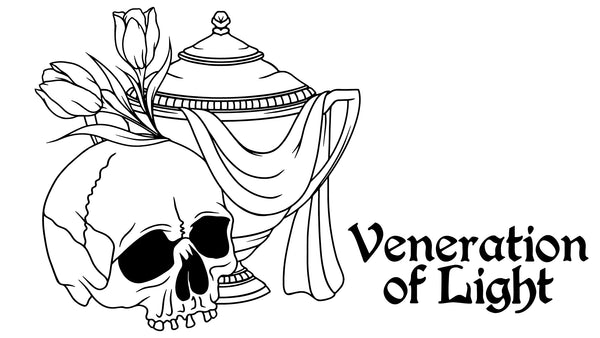
'Tulpenmanie' is not merely a celebration of beauty, but a stern moral warning from history. It highlights the foolishness of placing high value on fleeting material possessions through metaphor for the bubble that burst- reminding the viewer that fortune, like a flower, is ephemeral. 'Tulpenmanie' is part of a new and ongoing body of work, ‘Mors Imperii’. The images in this series explore the intersection of our loss of autonomy, the rise of authoritarianism, and the shared transformation of ritual mourning.
Beginning in 1634, the Dutch Republic encountered an acceleration in tulip bulb prices that would rise to unheard of levels and eventually collapse in a spectacular manner. By the 17th century, its citizens were among the wealthiest people on earth and were looking for ways to display this affluence as well as increase it; the tulip became the surprising vehicle for these ambitions.
Often during this time, no physical bulbs or tulips were actually sold; the trading instead occurred with a “futures contract”, a piece of paper guaranteeing the right to specific bulbs that would bloom in the coming spring. In the mid-1630s a single bulb sold for 46 guilders and changed hands a month later for 515 guilders. Another bulb rose from 95 to 900 guilders in a similar period of time. At the peak of tulip mania, in February 1637, certain tulip bulbs sold for more than 10 times the annual income of a skilled artisan.
However, shortly thereafter the dramatic crash began and traders could no longer find buyers willing to pay increasingly inflated prices for their bulbs. Some were left holding contracts to purchase tulips at prices now many times greater than those on the open market, while others found themselves in possession of bulbs worth a fraction of the price they had paid - Tulipmania is generally considered to have been the first recorded speculative bubble or asset bubble in history.
Often during this time, no physical bulbs or tulips were actually sold; the trading instead occurred with a “futures contract”, a piece of paper guaranteeing the right to specific bulbs that would bloom in the coming spring. In the mid-1630s a single bulb sold for 46 guilders and changed hands a month later for 515 guilders. Another bulb rose from 95 to 900 guilders in a similar period of time. At the peak of tulip mania, in February 1637, certain tulip bulbs sold for more than 10 times the annual income of a skilled artisan.
However, shortly thereafter the dramatic crash began and traders could no longer find buyers willing to pay increasingly inflated prices for their bulbs. Some were left holding contracts to purchase tulips at prices now many times greater than those on the open market, while others found themselves in possession of bulbs worth a fraction of the price they had paid - Tulipmania is generally considered to have been the first recorded speculative bubble or asset bubble in history.
Fine art photographic print made in-house on archival high gloss paper; each limited run print comes with a signed and numbered certificate of authenticity.
Available in 5"x7” (open edition), 8"x10”, or 11"x14".
Packaged with care in an acid free resealable sleeve with a backing board.
Free US shipping on orders over $45.
All in stock items will be shipped within one week of receiving your order. All items will be insured for full value and a tracking number will be provided once order ships.
Share